Dentistry is often mistaken for a profession of tools.
But anyone who has sat alone after clinic hours—scrubs still smelling of disinfectant, mind replaying a difficult case—knows this is untrue.
Dentistry is not built by hand alone.
It is built by thought.
And thought, in dentistry, is shaped quietly by books.
Some books do not shout.
They stay.
They rearrange how you see gums, pain, teeth, people, and even yourself.
These five books are not just recommended dental textbooks.
They are architects of dental thinking—across periodontics, endodontics, restorative dentistry, prosthodontics, and dental practice management.
Carranza’s Clinical Periodontology
Periodontics, implants, and the politics of tissue
Carranza does not rush you.
It insists that you slow down and listen—to bone, to gingiva, to inflammation.
This is where you learn that periodontics is not about cleaning teeth,
but about negotiating with biology.
Carranza explains periodontal disease, implant biology, tissue healing, and regeneration with unapologetic depth. It teaches that no crown, no implant, no esthetic veneer survives long without respecting the quiet intelligence of soft tissue and bone.
Pros
-
Gold standard for periodontics and implant biology
-
Deep understanding of tissue response, inflammation, and regeneration
-
Strong scientific foundation for implant dentistry
-
Essential for postgraduate students and implantologists
Cons
-
Dense and time-consuming to read
-
More theory than chairside shortcuts
-
Requires patience—and maturity—to appreciate
Cohen’s Pathways of the Pulp
Pain has a language. Cohen teaches you to hear it.
Every patient arrives carrying pain like an unsent letter.
Cohen teaches you how to read it.
This book is not about root canal files alone.
It is about diagnosis, decision-making, and knowing when not to touch a tooth.
In a world rushing toward aggressive treatment, Cohen reminds dentists that tooth preservation is an ethical act.
Pros
-
Best reference for endodontic diagnosis
-
Clear logic for pulp and periapical disease
-
Strong chapters on anesthesia and pain control
-
Essential for saving natural teeth
Cons
-
Very lengthy and text-heavy
-
Limited esthetic or post-endodontic focus
-
Not ideal for quick revision
Sturdevant’s Art and Science of Operative Dentistry
The book that teaches restraint.
Sturdevant does something rare.
It teaches dentists when to stop.
In its pages, dentistry becomes conservation—not destruction disguised as treatment.
It explains cavity design, restorative materials, and biomimetic principles with clarity and quiet discipline.
This book understands that every millimeter of enamel removed is irreversible.
Pros
-
Extremely practical for general dentistry
-
Strong foundation in conservative and biomimetic dentistry
-
Excellent diagrams and clarity
-
Ideal for students and everyday clinicians
Cons
-
Less emphasis on digital dentistry
-
Material science sections can feel dry
-
Limited coverage of advanced esthetics
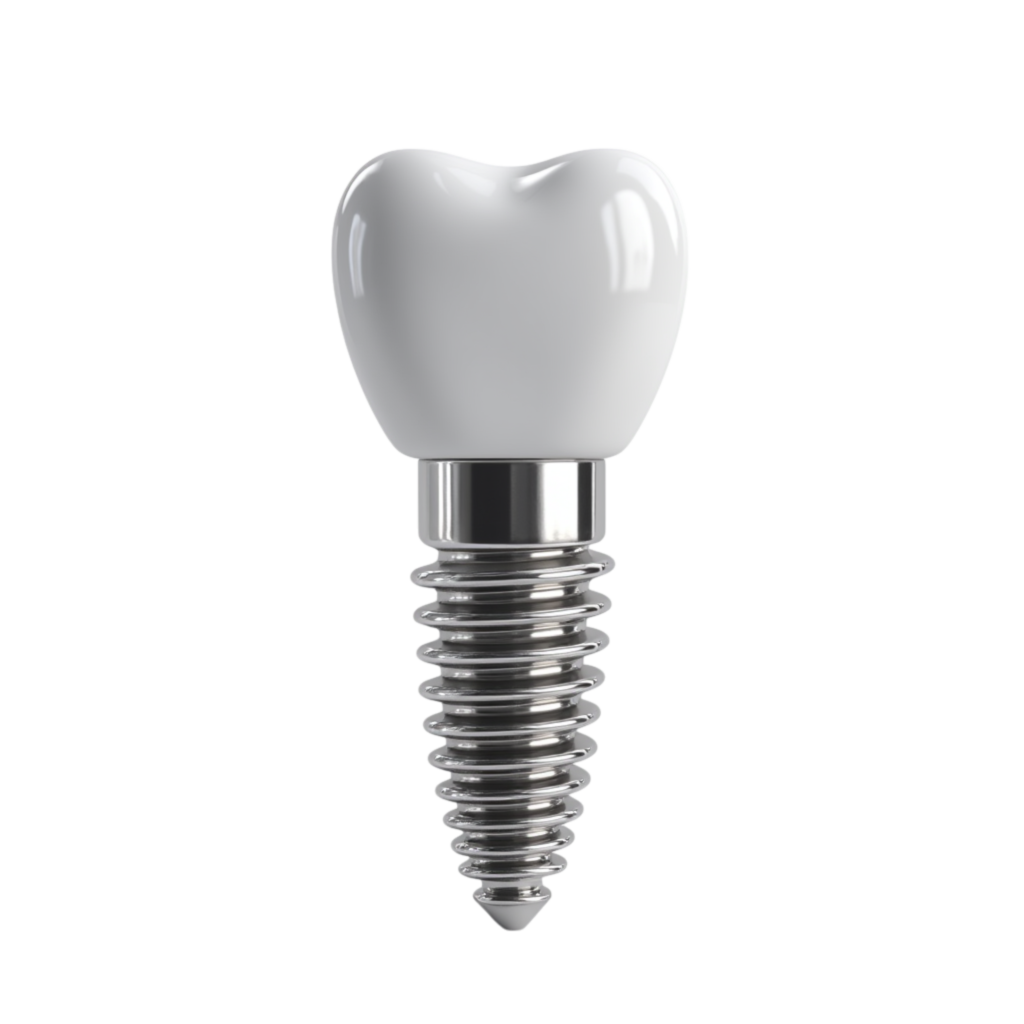
Join our 1-day Implantology NextGen: IPL Advanced Implantology Course for Dentists in Chennai
Rosenstiel’s Contemporary Fixed Prosthodontics
Where dentistry becomes engineering.
Rosenstiel does not believe in shortcuts.
It believes in systems.
Crowns, bridges, occlusion, and function are explained with methodical precision. This book teaches you that a beautiful restoration that fails functionally is not beautiful at all.
It is demanding—but fair.
Pros
-
Comprehensive guide to crowns and bridges
-
Excellent explanation of occlusion and biomechanics
-
Strong treatment planning logic
-
Essential for prosthodontics and advanced practice
Cons
-
Heavy reading for beginners
-
Fewer real clinical photographs
-
Limited digital prosthodontics depth
Dental Practice Hero
The book that talks about everything textbooks ignore.
This book speaks about money.
And leadership.
And exhaustion.
And the strange loneliness of running a dental clinic.
It reminds dentists that clinical excellence alone does not build a practice—people do.
Written simply, almost gently, it addresses communication, systems, mindset, and growth.
Pros
-
Easy to read and highly practical
-
Focus on leadership and communication
-
Relevant for clinic owners and young dentists
-
Encourages long-term thinking
Cons
-
Not a clinical book
-
Based on Western practice models
-
Repetition of core ideas
Dentistry is not mastered by reading one book.
It is shaped by reading the right book at the right time.
-
Carranza grounds you.
-
Cohen sharpens you.
-
Sturdevant disciplines you.
-
Rosenstiel structures you.
-
Etchison humanizes you.
Together, they do not make you faster.
They make you wiser.
And wisdom, in dentistry, lasts longer than any restoration